
Blog Body
Start with the workflow you want to protect
Endpoint selection often begins with product names, although the needs of someone opening external attachments differ from those of a legacy application team or a device away from central management. Describe the workflow, files, links and applications involved, plus device ownership and support. Define the gap without assuming one tool covers every path. This article proposes a needs checklist for security, IT and awareness teams rather than a penetration test or official product ranking. Begin by understanding the environment and the expected response when something goes wrong, then request reviewable evidence of suitability.
Separate zero trust principles from a product name
NIST explains that zero trust grants no implicit trust to an asset or account solely because of location or ownership, with authentication and authorisation preceding a resource access session. [2] This is architectural guidance, not certification that buying software implements the whole model. Ask how endpoint protection connects to existing identity, access and policy, what it protects and what remains outside scope. Distinguish containing untrusted activity, detecting an event and deciding how to respond. These functions may complement each other, but a broad marketing label does not establish a specific capability. Architecture validation remains separate from a product demonstration.
Inventory compatibility rather than assuming universal support
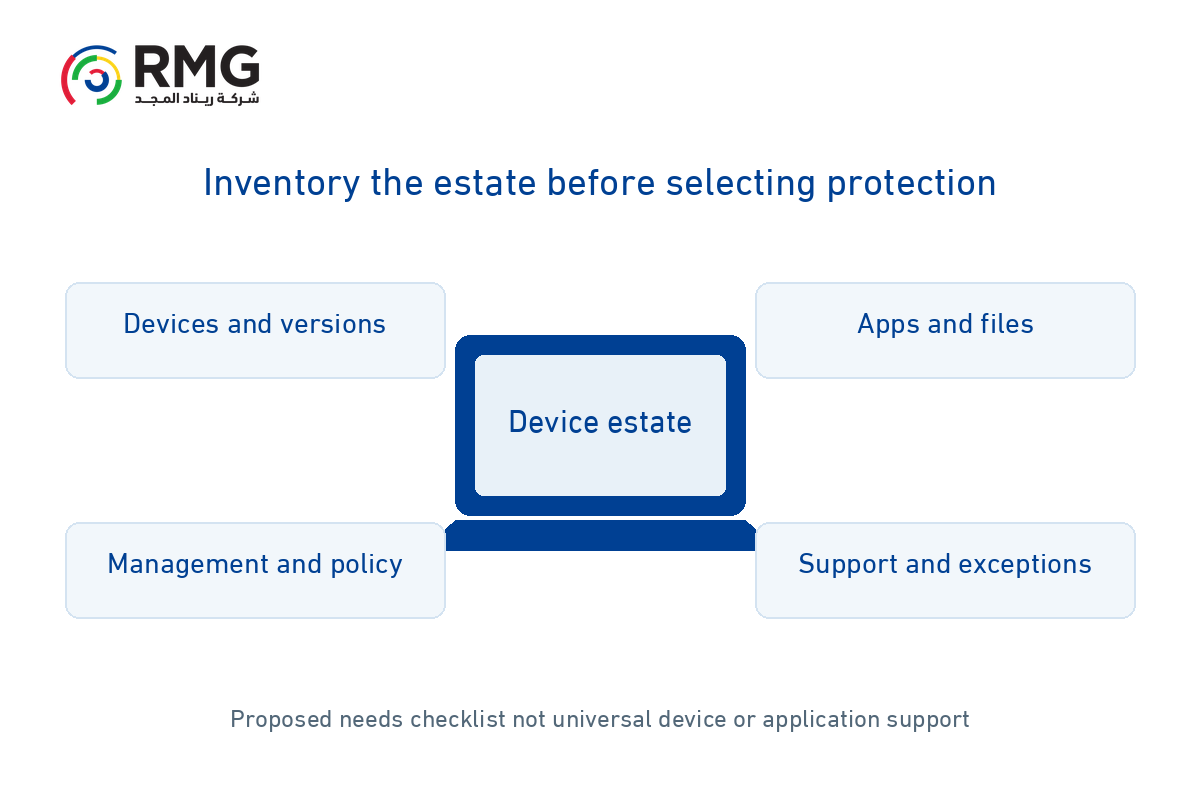
List operating systems and versions, processor architecture, memory, browsers, applications and file types actually used, including hard-to-update devices. Request the current support matrix for the proposed release and record supported configurations, required preparation, alternatives and exceptions. Do not apply an old release statement or similarly named product’s capability to the current offering. In a bounded trial, check authorised everyday work such as opening a document, printing output and reaching an internal application under organisational policy. Real malware is not required to assess compatibility; specialists determine safe test methods and evidence.
Define policy ownership and exception handling
Ask about deployment, updates, configuration recovery, administrator privileges, disconnected devices and management service unavailability. Assign a policy owner and exception reviewer, recording the exception’s reason, scope and review rather than allowing an undocumented permanent bypass. Clarify support information and how users recognise protection or request help without learning to circumvent controls. These are requirements questions, not claims that every solution supports them automatically. Providers must confirm deployment and management details for the release, licence and environment before scope is accepted.
Connect evidence to support and response
Define the understandable record the team needs: device, time, policy, event type, action and reviewer, subject to necessity and access. Test whether evidence reaches the responsible person and supports follow-up through closure while protecting content. Alert counts or an isolated status message alone are not sufficient success criteria; the need may be to verify containment boundaries, appropriate action and continuity of permitted work. Record workflow effects, untested conditions and handling of uncertain results. These illustrative measures are not performance results, prevention rates or official response deadlines, and do not call for removing existing protection layers.
Use a requirements checklist before the demonstration
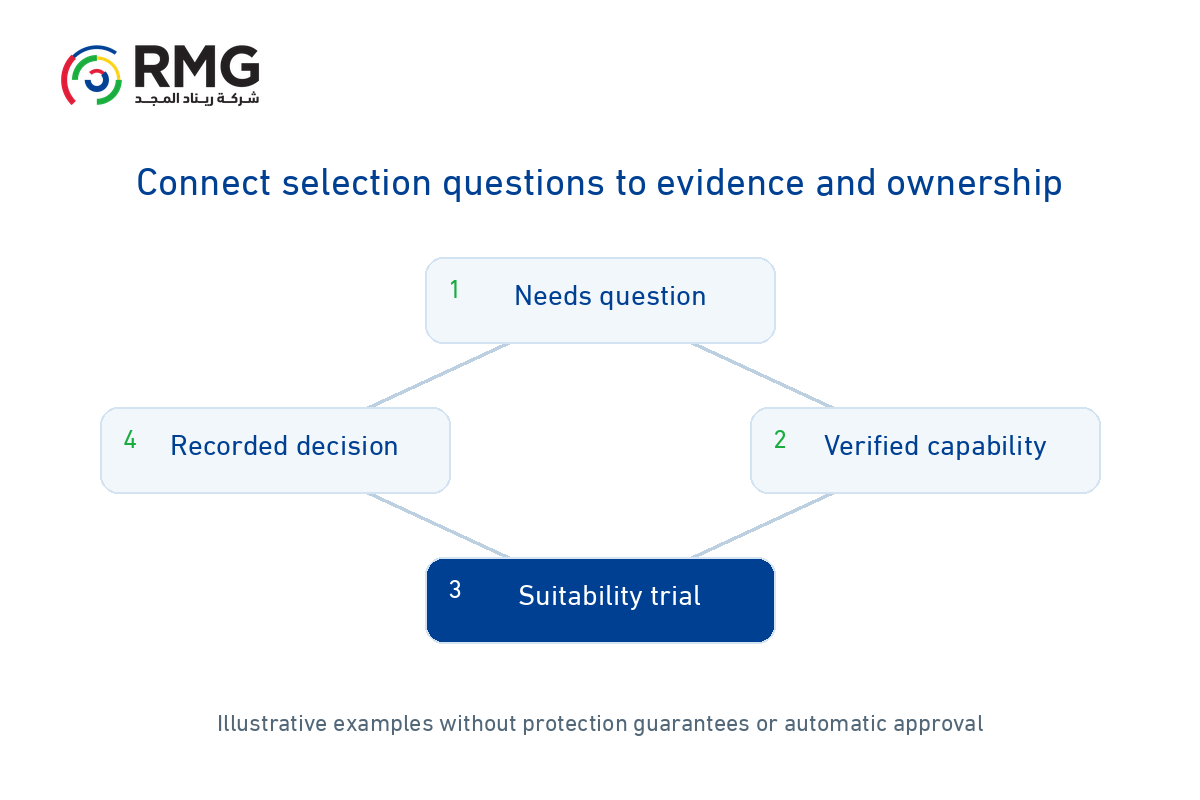
The table offers hypothetical questions and evidence to discuss. Add scenarios, included and excluded devices, policy references, support owner and acceptance criteria, then ask the provider to state coverage limits explicitly. Separate requested requirements, verified capabilities and pending tests. A successful demonstration on one standard device does not establish suitability for the entire estate. A trial can represent varied work patterns before business owners review results and exceptions for expansion. The team chooses its size and duration according to risk; this article imposes no universal count, deadline or purchasing sequence.
| Hypothetical question | Required evidence | Reviewer |
| Does it support our actual estate? | Current support matrix and authorised workflow tests | IT and application owner |
| How are policy and exceptions managed? | Administrative roles and recorded exception path | Security and device management |
| What reaches support after an event? | Suitable record plus follow-up and closure owner | Support response and privacy |
Review Saudi controls and resulting data
NCA presents ECC-2:2024 as a current reference for protecting information and technology assets. [4] Specialists review applicability and required policy, protection and monitoring rather than assuming a product installation establishes compliance. Where device records or files contain personal data, review the PDPL and regulations, purpose, access, retention and processing as applicable. [5] The proposed needs checklist does not replace legal requirements or security and privacy decisions. Record provider responsibilities, support and escalation boundaries, and data visibility. Sharing technical evidence does not automatically authorise unnecessary disclosure of user content.
Discuss the partner solution through verified needs
RMG presents HP Sure Click Enterprise through HP Wolf Security among its endpoint offerings. It is a partner solution, not a product attributed to RMG development. [1] HP describes per-task isolation of potentially risky activity using micro-virtual machines, with enterprise policies and management in its current offering. [3] This vendor description establishes neither absolute protection nor universal device compatibility or untested capabilities. Prepare the estate, scenarios, management and support requirements, then contact RMG to discuss a technical demonstration and suitability trial. Base selection on evidence in the organisation’s environment while retaining identity, updates, awareness and response as connected responsibilities.