
Blog Body
Find the waiting point
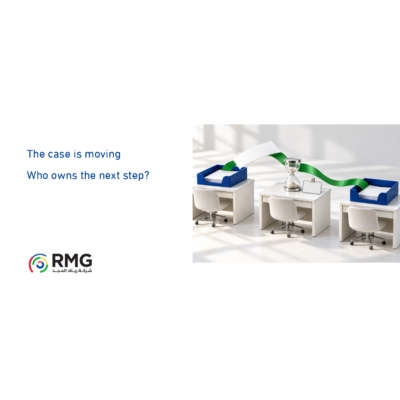
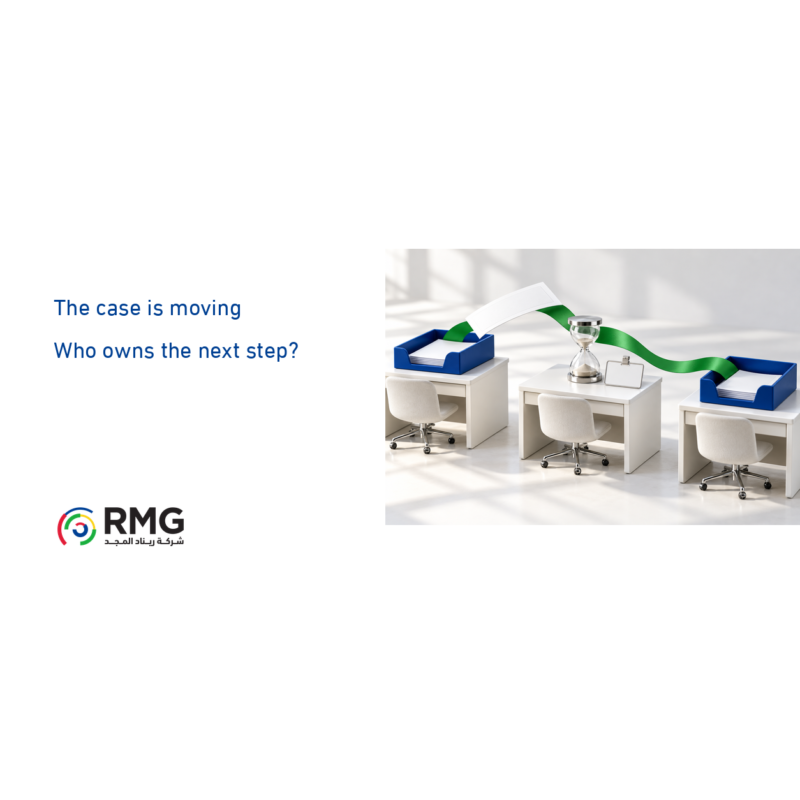
A case can be registered and searchable yet remain stalled because nobody owns the next step. A receiving department may also lack a clear request or the required attachments. Understanding the actual work path should precede adding reminders. The organization needs a map showing receipt, routing, ownership, follow-up and evidence of closure. This article proposes a practical way to build that map without promising completion times or assuming that every delay is caused by software.
Trace one case from start to finish
Choose a recurring case type and review an authorized sample without exposing sensitive contents. Record first receipt, latest action, current state and each intervening handoff. Separate active work from waiting, distinguishing a pending decision from missing information or an external response. Avoid an overall average before understanding case types and priorities. The sample can reveal rework loops, routing without progress and handoffs with no acknowledged receipt. These observations support process improvement rather than unsupported judgments about individuals.
Define responsibility for every handoff
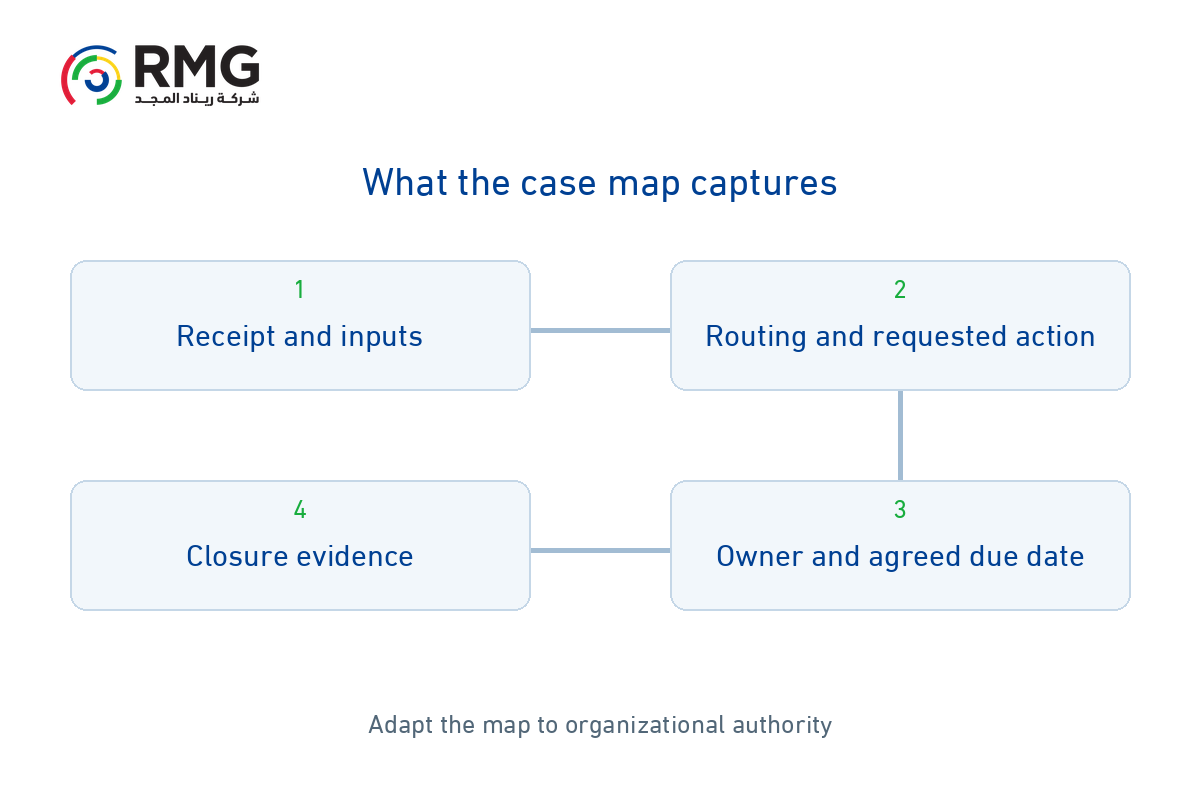
For each step, specify required inputs, expected outputs, the performer and the decision authority. A department name may not identify who follows a case during an absence. Record backup roles, delegation limits and approved escalation. ISO’s explanatory process-approach paper discusses process interactions and assignment of responsibility and authority [2]. It serves here as conceptual guidance, not evidence of certification or conformity with a standard edition. Adapt the proposed case map to the organization’s authority structure and operating scale.
Make routing an actionable request
A useful handoff includes the case reference, requested action, expected result, approved attachments, owner and agreed due date where one exists. Distinguish information-only routing from requests for analysis or a decision: more recipients do not establish ownership. When information is missing, record what is required, who requests it and the waiting state. Sending a message elsewhere does not by itself close the case. Make receipt or status acknowledgment visible and confirm that the recipient has necessary access and authority without unnecessarily widening permissions.
Tie follow-up to the reason
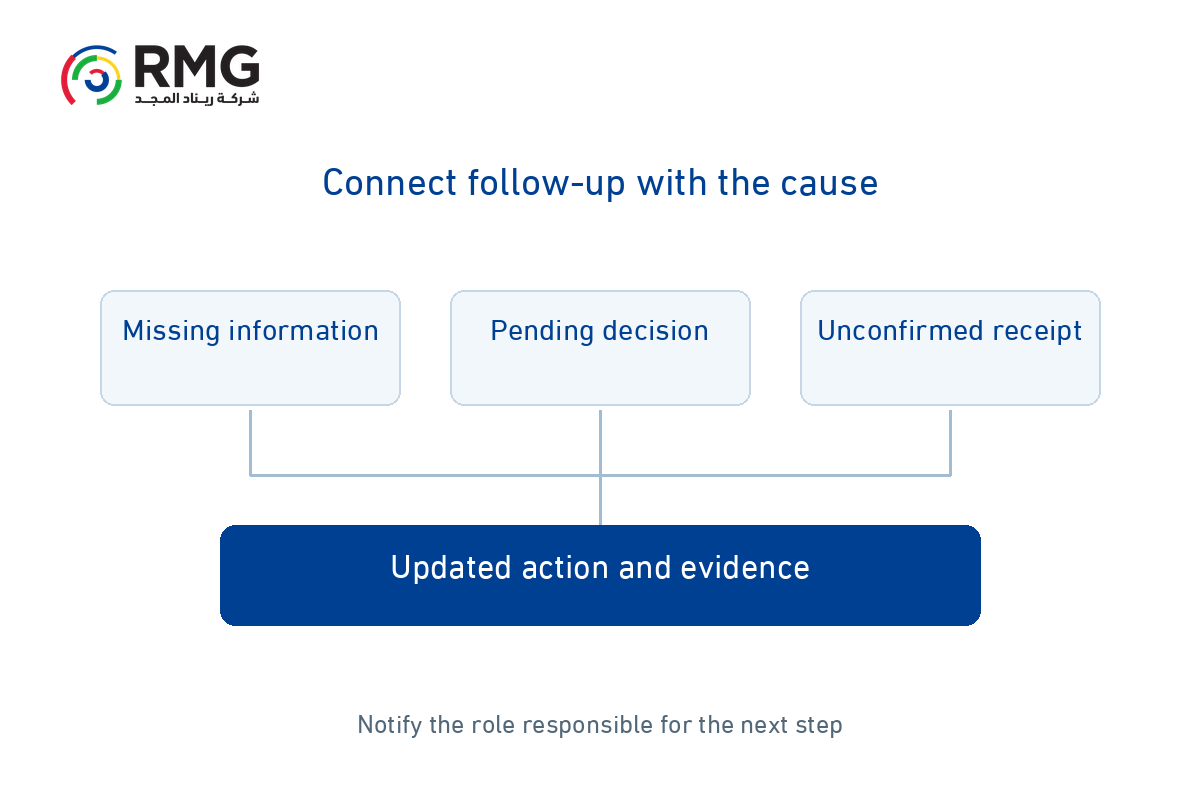
Link follow-up to case type, state and priority, specifying when to notify whom and the requested response. A daily reminder should not replace addressing the waiting cause. A pending approval needs a decision from the authorized role; a missing attachment needs completion. The table contains hypothetical examples rather than mandatory rules or a claim about preconfigured product behavior. Review delay signals with the owner and define treatment of leave, external responses and urgent requests to avoid conflicting follow-up rules.
| Illustrative state | Waiting reason | Proposed follow-up |
| Awaiting completion | A defined attachment is missing | Clear request to the originator |
| Awaiting decision | Authorized approval required | Owner reminder and approved escalation |
| Routed without receipt | Destination or role is unclear | Confirm recipient and update the map |
Retain the trail and control access
Follow-up needs a record of who routed a case, when and what action occurred, with access based on need and classification. Saudi entities handling official records should have records and legal specialists establish applicable retention, circulation and disposal requirements. NCAR’s guidance distinguishes permanent and temporary records and discusses protection and handling [3]. The reviewed copy is hosted by a public university; direct access to NCAR and the legal text was unavailable during research. This article therefore sets no legal retention period and does not treat electronic archiving as permission to destroy originals.
Test the route before expanding automation
Exercise representative scenarios: a complete case, an incomplete case and one requiring rerouting. Check ownership, escalation and closure. Test permissions against real roles, duplicate registration and attachment-version links. After rollout, review waiting time, return causes and cases without owners using consistent definitions. Explain changes in case mix or volume before attributing improvement to automation. These proposed operating measures are neither a study of results nor a guarantee of savings.
Connect process needs with the right solution
RMG’s administrative communications and electronic transactions page describes correspondence creation, tracking, routing, workflows, notifications, storage and search [1]. Its earlier launch announcement describes transactions moving through defined routes . This article adds explicit requests, owners and closure evidence before automation configuration rather than repeating a feature catalogue. Discuss a sample of your organization’s case route with RMG to assess suitable automation, configuration and integration. Confirm technical details, contractual scope and fit during assessment and demonstration.