
Blog Body
Before scanning decide what to organize
A team may convert thousands of pages yet remain unable to identify the approved version or who may change it. Readiness begins with record types ownership metadata access and retention rules. The proposed matrix is a preparation and discussion tool. It does not grant access or replace organizational rules. Test it on a bounded collection before expanding the project.
Classify by the business activity recorded
Start with function and process then record type such as a decision contract correspondence or transaction record. Avoid using current storage location or employee name as the only classification. Separate record type sensitivity and status: draft approved or superseded. Assign an owner to review the rules and log exceptions needing a decision rather than forcing every file into an unsuitable category.
Create usable metadata
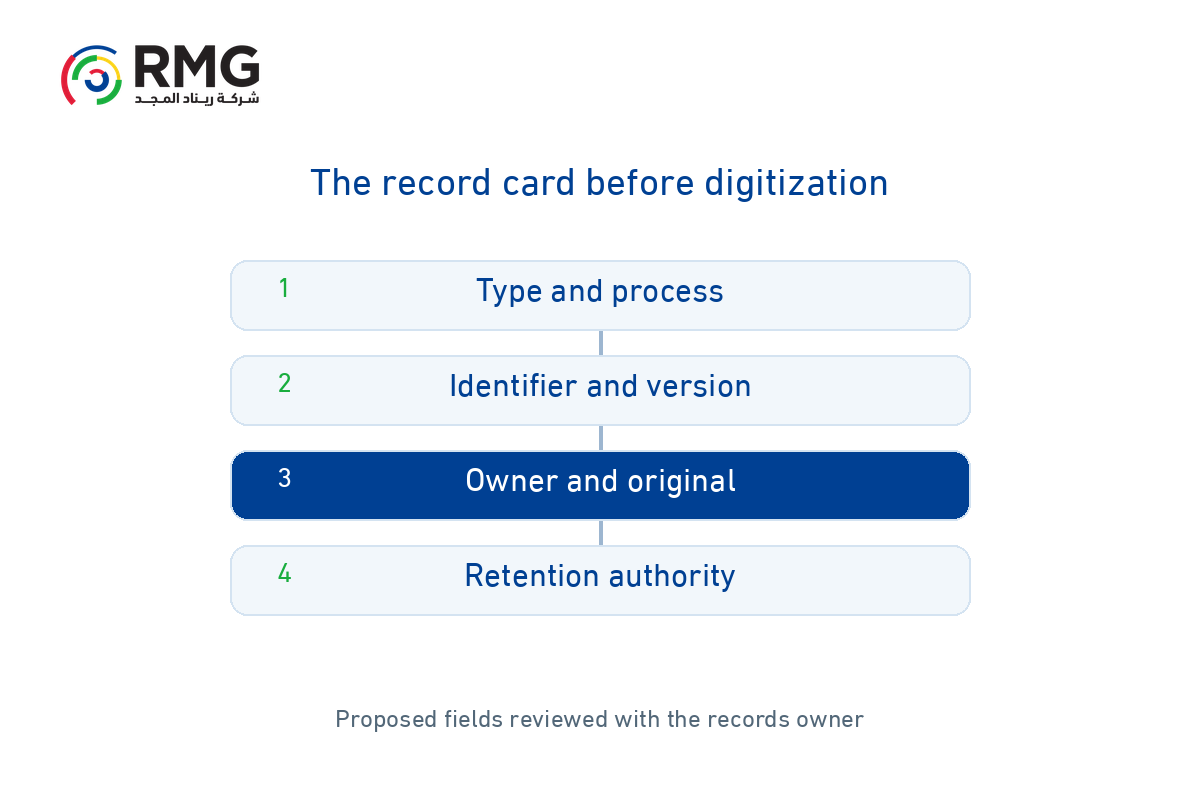
Proposed fields include identifier title record type date owning unit status version transaction reference and original location where relevant. Define mandatory fields valid values and correction ownership. In a hypothetical example a contract identifier links its appendices and approved version; a repeated filename called final is insufficient. Avoid unnecessary sensitive information in titles visible through broad search results.
Express access as specific actions
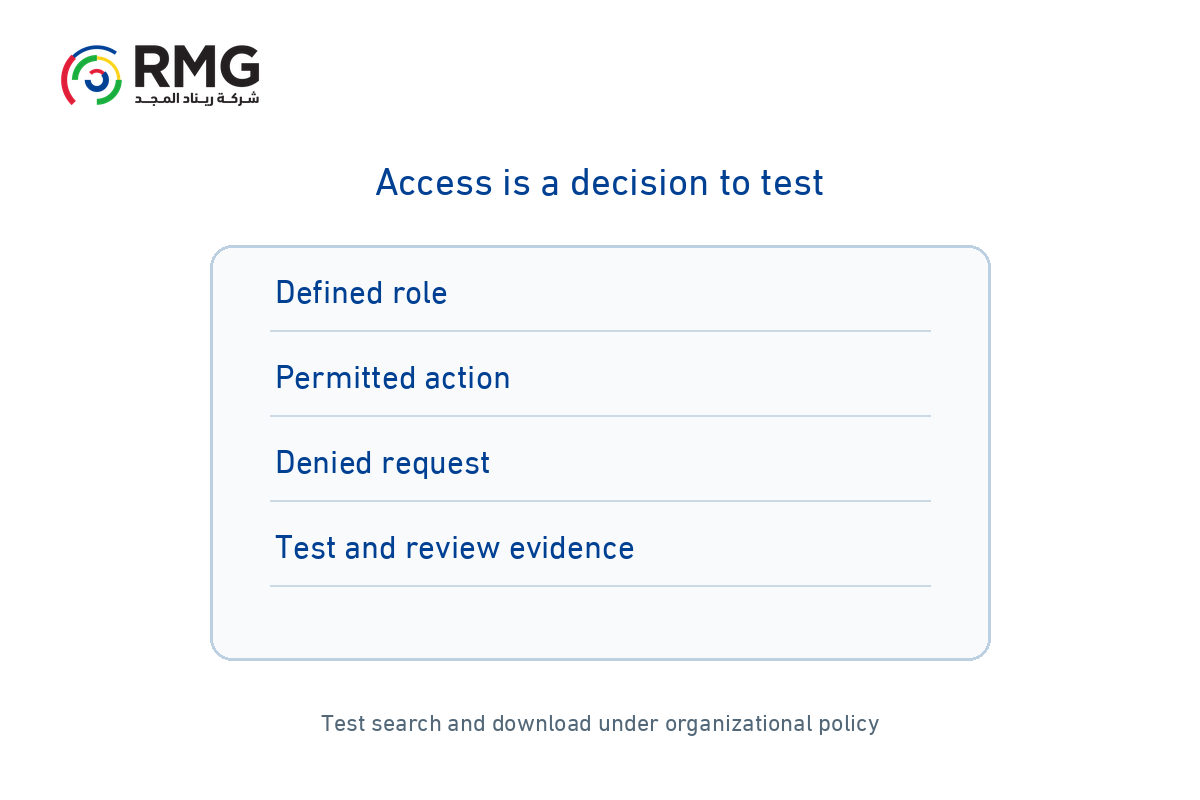
Record roles and actions including viewing adding editing approving downloading or sharing according to need rather than allowing a whole department every operation. For illustration a team views a published copy while a designated role edits the draft. Test permitted and denied actions using authorized test accounts including search and export. Review access when roles change. Hiding a folder does not prove that every other access route is blocked.
Link retention to an approved authority
The National Center for Archives and Records guide distinguishes permanent and temporary retention and describes government disposal procedures. Completing a scan therefore does not establish permission to destroy an original. Record the approved retention reference trigger event and decision owner. Specialists should confirm current requirements and applicability. This article prescribes no universal period for all organizations or record types. [2]
| Matrix element | Illustrative example | Decision required |
| Classification | Contract ID appendices version | Rule owner and fields |
| Access | Approved-copy reader draft editor | Actions and authorized roles |
| Retention | Approved authority and trigger | Decision owner and review |
Test capture and retrieval before migration
Select an authorized sample including a multi-page record attachments an older version and restricted access. Check page completeness orientation legibility attachment links and metadata accuracy. Retrieve records by identifier and review search results. Inspect OCR errors particularly numbers and names. Searchability does not replace image review or evidence that a version was approved. Record defects corrections and retesting.
Approve and maintain the matrix
Bring together process records application security and other relevant owners to review the matrix. Identify who approves each rule when it is reviewed and how exceptions are handled. When a record type or permission changes document effects on metadata search and existing copies. Begin with one process and expand after resolving findings. The number of scanned files alone does not demonstrate archive quality.
Discuss requirements with RMG
RMG presents its document management and electronic archiving system and describes programming and designing it. The page lists indexing search Arabic OCR access controls and physical-original tracking. Use the matrix to explain requirements and discuss demonstrations. Confirm implementation integration and scope before commitment. A system alone does not establish organizational compliance or validate retention and disposal decisions. [1]