
Blog Body
Define the follow-up question before collecting more images
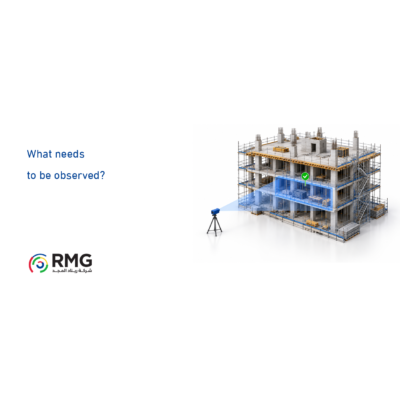
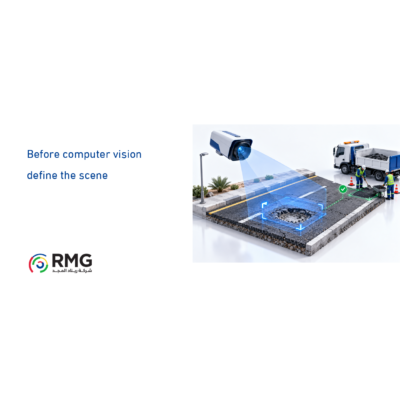
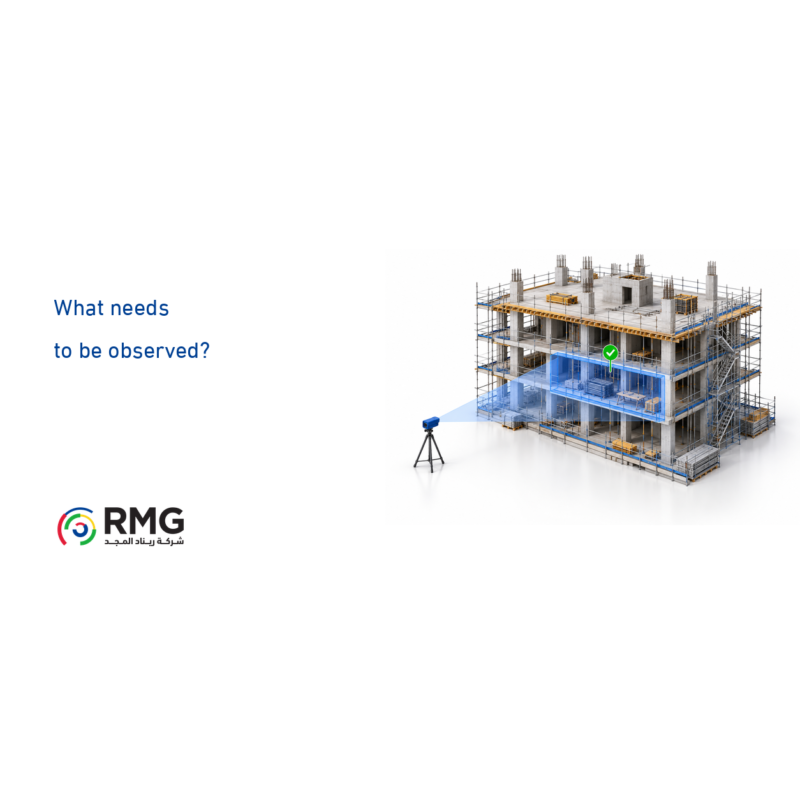
A site can generate many images without the team knowing which decision each image supports. Begin with a defined operational question: documenting an area before a stage closes, comparing activity progress or following up an existing issue? Each purpose needs different evidence and responsibilities. Create a needs card for each use rather than request unlimited monitoring. The card should identify location, stage, scene, intended decision and follow-up owner before selecting a suitable capture method. Image volume or alert count alone is not success. The intended value is usable evidence reaching someone who can take a clear action.
Separate visible evidence from engineering judgement
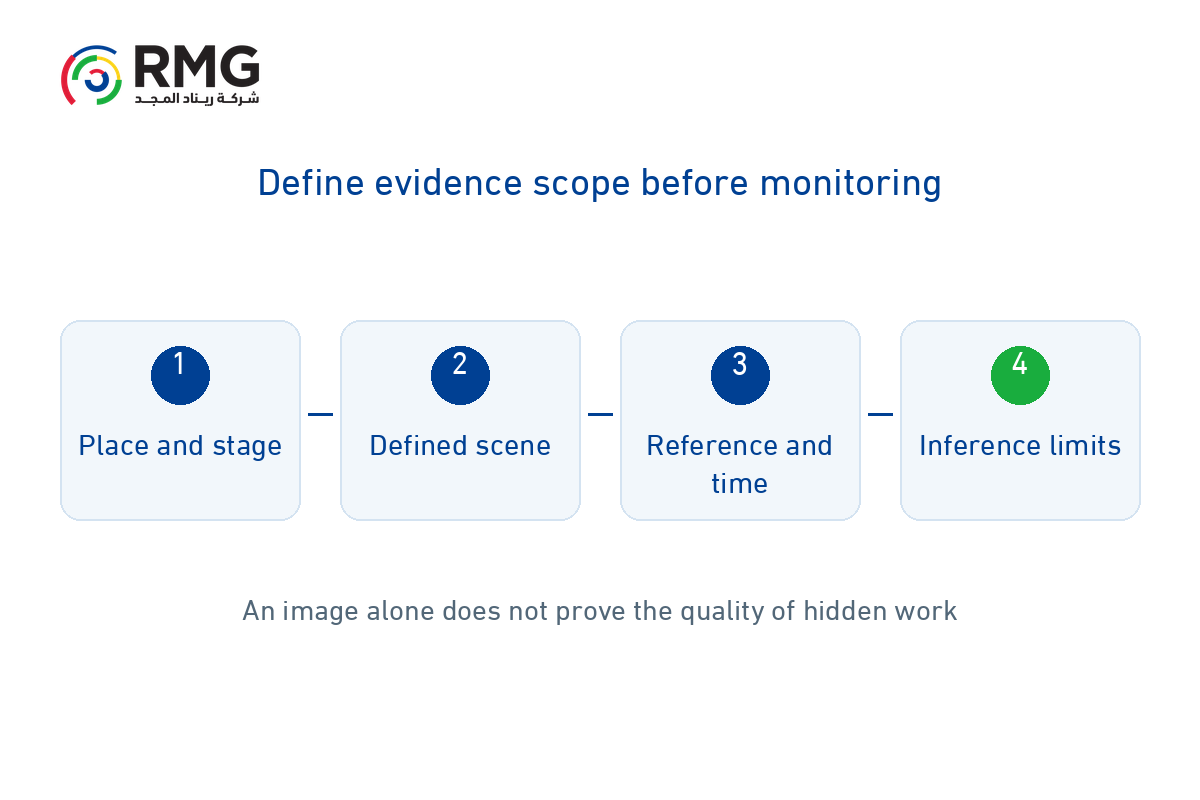
An image may show an activity in a particular area without proving the quality of hidden work or conformity of a structural element. State what is visible, what needs inspection, testing or another document and which specialist decides the outcome. NIST’s MAP function recommends documenting purpose, context and limitations before AI use. [2] It is voluntary AI risk guidance rather than a Saudi construction requirement. In the proposed card, analytical output remains an observation requiring verification until a competent person reviews it. An automated alert does not become a final violation, quality acceptance or contractual decision merely because it appears on screen.
Connect evidence to place time and reference
Define how the site, zone, activity and drawing version used for comparison are named. Preserve capture time, source, required coverage and visibility limits or masking. Before comparing two images, consider changes in viewpoint, lighting and work stage. Do not derive a completion percentage from unlike images without an approved verification method. Record capture exclusions as well, including neighbouring areas or unnecessary personal detail. This makes evidence understandable to someone who did not attend the visit and reduces the risk of interpreting an old or partial image as the current condition.
Design the observation path through closure
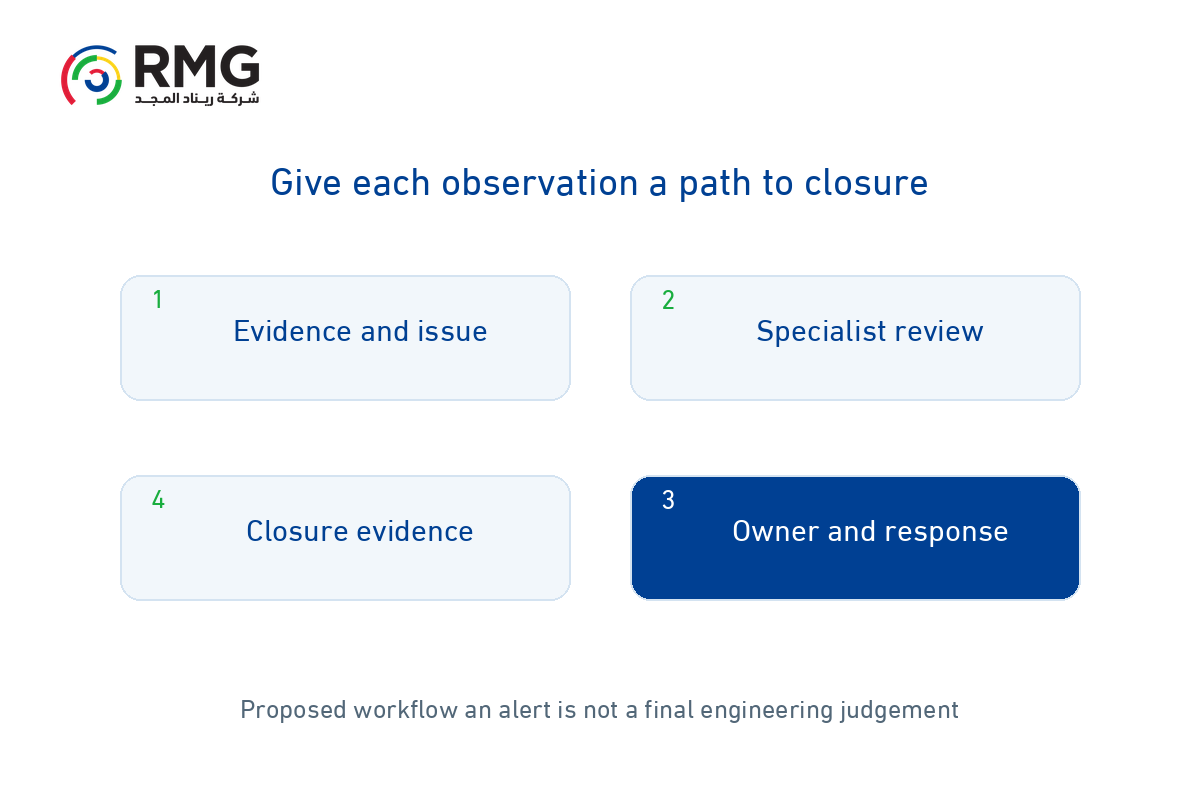
Follow-up requires more than detecting a scene. A proposed path records an observation and its evidence, obtains technical verification, assigns an action owner, documents the response and reviews closure evidence. Distinguish unconfirmed from confirmed cases and record why an alert was rejected or a duplicate merged. Agree priority and escalation according to the project rather than impose one deadline on every situation. If evidence cannot reach the responsible person or closure authority is unclear, resolve that operational gap before expanding capture. Closing a system ticket does not itself prove that an engineering concern was resolved; specialists determine the necessary checks.
Trial one need within explicit boundaries
Choose a zone, activity and observation type whose evidence can be manually reviewed in a bounded trial. Document the current follow-up approach, then test evidence completeness, retrieval, owner acceptance and closure evidence. These are illustrative indicators rather than achieved results or official targets. Also track missed cases and unhelpful alerts: more notifications can increase workload rather than improve follow-up. Record capture conditions, source interruption and what happens when recent data is unavailable. The trial should produce a reasoned continuation, modification or deferral decision rather than automatic expansion because the dashboard looks complete.
Use a reviewable monitoring needs card
The table gives three hypothetical monitoring purposes, their evidence and who reviews the result. Add capture boundaries, authorised references, inference limits, escalation and closure proof to the organisation’s card. These are proposed working fields rather than an official form or a claim that a product automatically handles every case. The organisation and provider must confirm feasibility, data sources and integration before committing to any function. Update the card when project scope, drawing version or ownership changes. An old configuration may produce a technically consistent comparison that no longer suits the decision required at the current stage.
| Hypothetical purpose | Evidence and limits | Review and closure |
| Document a zone condition | Dated image and location; hidden work is not proven | Project specialist defines additional evidence. |
| Compare activity progress | Comparable images and an approved stage reference | Activity owner explains differences and action. |
| Follow an open issue | Linked before and after images requiring verification | Action owner and closure reviewer. |
Review Saudi site and data requirements
Before capture and analysis, specialists should review site access, image collection and sharing authority, safety requirements and supervising body requirements for the project. Where personal data appears, review the Saudi PDPL and regulations, purpose, access, retention and processor arrangements; SDAIA guidance confirms that storage is processing. [3] HRSD describes workplace risk protection and informing workers of occupational hazards. A monitoring system does not change those responsibilities. [4] This article does not interpret all construction, imaging or security requirements or assume permission to use a capture source. The needs card and observation workflow are management proposals subject to applicable legal and technical references and authorised responsibilities.
Discuss Rasid through the actual need
RMG presents Rasid Smart Construction Monitor among its solutions for construction documentation, follow-up and image and video analysis, including comparison with drawings and project lifecycle archiving in the current product description. [1] This does not establish every contract’s scope, integration or accuracy in a specific site environment. Confirm details with the team before implementation. Prepare a needs card, an evidence example authorised for sharing and a review owner. Contact RMG to discuss monitoring suited to your project and how its outputs can support verifiable follow-up.