






Solutions in different sectors
Use Case Description:
The Consular Support Platform is a smart platform that aims to provide knowledge support to Saudi citizens abroad, by facilitating the submission of applications, answering common questions, and guiding them about the available consular services, in addition to alerting them to the regulations and instructions related to the country in which they reside. The platform relies on data related to consular services, such as regulations, procedures, and instructions, to provide accurate and up-to-date information that meets users’ needs
How it works:
The citizen logs in to the official website of the Ministry of Foreign Affairs, then goes to the consular support platform and selects the country in which he resides. The platform relies on the analysis of inputs using artificial intelligence (LLM) techniques to provide appropriate answers, and provides recommendations and advice guided based on the user’s inquiry to ensure that his needs are effectively met.
Benefits:
- Facilitating access to consular services for citizens abroad.
- Providing round-the-clock support to meet the needs of citizens.
- Reduce pressure on embassies and consulates by automating common inquiries.
- Improve the citizen experience through rapid and accurate response.
Target Audience:
Expatriate citizens, diplomatic teams in consulates.
Techniques used

LLM (large language model)
Huge language models

Natural language processing (NLP)
Natural Language Processing
Use Case Description:
The Smart Advisor platform is a legal platform that relies on artificial intelligence technologies to analyze legal texts, and aims to provide fast and accurate legal advice to citizens and lawyers. The platform contributes to providing advice on legal issues and frequently asked questions, which helps to improve the speed and quality of the consultations provided. The platform relies on past data and frequently asked questions to ensure the accuracy of the information provided
How it works:
The citizen logs in to the official website of the Ministry of Justice, then goes to the Smart Advisor platform through the designated place. After that, the citizen asks his question in the field designated on the platform. The platform uses natural language processing (NLP) techniques to analyze the entered data, in addition to relying on the legal data available to it. Based on this analysis, the platform provides quick and comprehensive legal advice that helps the citizen understand the legal issue at hand.
Benefits:
- Speeding up the process of providing legal advice.
- Improve the accuracy and understanding of legal texts for individuals and lawyers.
- Reduce the burden on lawyers and Ministry of Justice employees.
Target Audience:
Citizens, lawyers.
Techniques used

(LLM) (large language model)
Huge language models

(OCR) (Optical Character Recognition)
Optical Character Recognition

(NLP) (Natural language processing)
Natural Language Processing
Use Case Description:
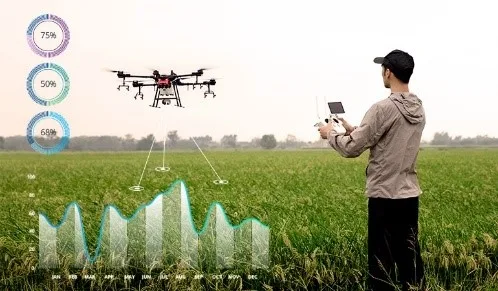
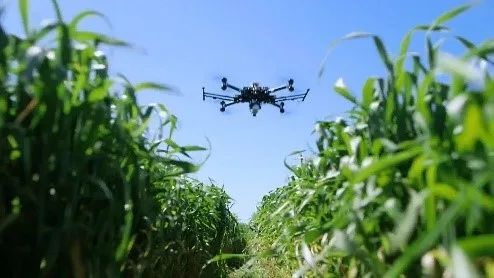
The Agricultural Crop Analysis Platform is a smart platform based on drones equipped with surveillance cameras and artificial intelligence technologies, and aims to monitor the quality of agricultural crops with high efficiency. The platform conducts a comprehensive survey of farms, then analyzes the images and extracted data to monitor crop health and manage irrigation operations. The platform relies on modern monitoring technologies, and its performance is improved by training it on manually detected issues, in addition to leveraging pre-stored data
How it works:
Drones with cameras conduct a comprehensive survey of agricultural crops in the target areas. The captured images are sent to a processing server that analyzes them using computer vision algorithms. After the analysis process, a report is generated that includes detected problems such as plant diseases or lack of irrigation, as well as suggested recommendations to solve these issues. The report is presented to decision-makers to help them take appropriate action. The platform can also integrate with sensors and sensors installed in the soil to provide additional data about Moisture and soil quality.
Benefits:
- Improving the quality and health of agricultural crops.
- Reduce costs and human efforts in monitoring and maintenance.
- Provide proactive solutions to deal with environmental problems.
- Promote sustainability and reduce water and resource waste.
Target Audience:
Farmers, agricultural companies.
Techniques used

Computer Vision Technologies
(computer vision)
Use Case Description:
Smart Assistant is a digital platform based on artificial intelligence technologies, installed on the official website of the Ministry of Commerce. The platform aims to help businesses and investors understand commercial and tax laws, and guide them through local and international systems to ensure effective compliance. The digital assistant is trained based on past data related to trade regulations and frequently asked general questions, ensuring that accurate and fast consultations are provided that effectively meet the needs of users
How it works:
The stakeholder logs in to the official website of the Ministry of Commerce and asks their query via the digital assistant. The assistant uses artificial intelligence and natural language processing (NLP) techniques to analyze the input query, relying on previous data and available knowledge. The smart assistant extracts an accurate and complete answer that helps the investor or beneficiary obtain the necessary information to effectively understand the relevant trading regulations and regulations.
Benefits:
- Facilitate the understanding of complex regulations and laws for companies and investors.
- Ensure effective compliance with local and international laws.
- Reduce costs associated with legal consultations.
- Improve efficiency and productivity through quick access to legal information.
Target Audience:
Traders, private companies, investors.
Techniques used

(LLM) (large language model)
Huge language models

(NLP) (Natural language processing)
Natural Language Processing